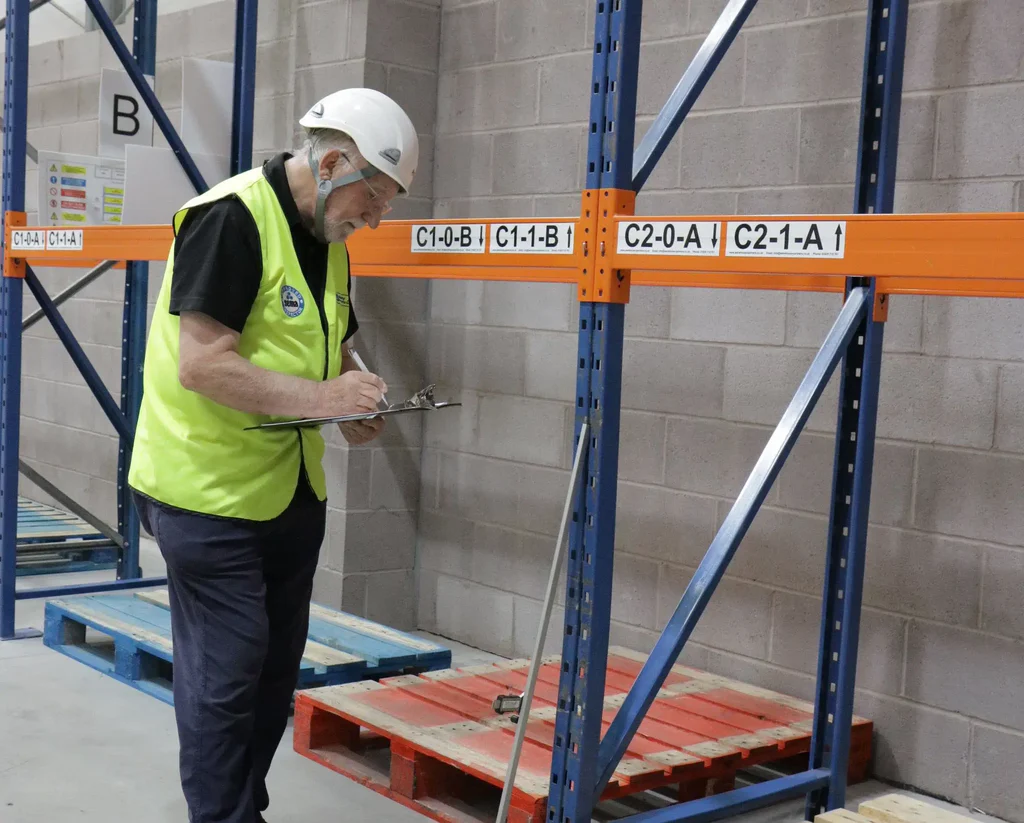
SEMA Launch their ‘Stay Racking Safe’ Campaign

SEMA Launch their ‘Stay Racking Safe’ Campaign
Go into most warehouses and you’ll see a significant portion of the floor space taken up with racking. It’s therefore a logical assumption to that keep your warehouse safe, you need to focus on your racking. Yet here’s the thing, while you rely heavily on external partners such as racking suppliers and racking inspectors, it is you, the warehouse owner or manager, who plays a key role in keeping your racking and employees rack safe.You might be asking 'how do I rack safe my warehouse?If you’ve ever wondered what your racking legal requirements when it comes to racking, how to prevent costly downtime from damaged or how to reduce the risk of racking-related accidents, we have launched our free ‘Stay Racking Safe’ guide. Free to download from our website, the guide breaks down the key dos and don’ts of warehouse racking systems along with five practical steps you should follow over the lifetime of your racking:Step 1: How do I check my racking suppliers?
Designing a new racking system is no small task. Yes, you need it to maximise stock capacity, improve efficiencies and increase productivity but the racking should also accommodate key safety factors that keep your employees rack safe. Does their rack configuration work for the different functions in your warehouse? Does it consider impact loads? Have they considered racking protection? Is there adequate separation between workplace traffic and your employees? Do you have correct clearances?Your first challenge is to find a supplier who meets all your requirements. But here’s the problem, a flashy website showing lots of photos of impressive steel storage racking work does NOT guarantee its safe. In fact, the only way to be sure your supplier is designing safe racking is to check their credentials. Are they working to industry standards, do they have correct insurance documentation in place, do they meet Health & Safety requirements?As the client, you are responsible for checking the supplier meets the correct industry standards.You need to check:
- The racking design follows either SEMA Codes or the European Code EN 15512
- The racking is new and meets British Standards
- The supplier has the correct Health and Safety measures in place
- Whether the supplier uses trained racking installers
- The supplier has a quality management policy
- How the supplier reviews and corrects quality performance
- Does the supplier meet racking regulations
- What employee training do they undertake
- What processes the supplier has put in place to control the quality of sub-contractors
- That employers’ liability, public liability, professional indemnity, product liability and risk insurance in place
- What environmental policies do they have in place and how do they manage waste
Step 2: What do I need to check with racking installations?
When your racking arrives on site, the design will include key safety standards that rely on the installer to meet these exact requirements. Your racking safety now relies on the quality of your racking installer.When ordering racking, it’s very easy to use installers recommended by your supplier but be cautious with this approach. It’s not uncommon for racking suppliers to sub-contract the installation work and you don’t know the quality of their work. While a lot of racking installers do meet a high standard, there are still those who learn ‘on the job’.It only takes an incorrect floor fixing or wrongly positioned tightened fixings according to the manufacturer’s tolerances and it can significantly impact the structural integrity of your racking. Check your installer has the required skills by asking if they have an industry-recognised qualification such as SEIRS.

Step 3: How do I load my racking correctly?
When you order your racking it will be designed to carry a maximum weight. Overloading or incorrect loading of the shelves can weaken the structure.To avoid this happening, your supplier is responsible for providing instructions on the capacity of your structure can hold and correct loading methods. They should also provide you with a Load Notice which must be affixed to your structure.This important sign informs employees on the following:
- Safety messages for working in areas with pallet racking
- Information on the racking supplier
- The number of pallets and weight limits that can be placed on beams
- Instructions on how to avoid uneven weight distribution


Step 4: What training do my employees need to be rack safe?
Employees working around racking need training to stay rack safe. It is for this reason that SEMA has set up training programmes aimed at the installation, use and regular inspection of warehouse pallet racking systems.Look out for courses like our Rack Safety Awareness course which equips them with the skills and knowledge they need.This one-day course instructs on:- Categorising signs of damage on pallet racking
- Responsibilities of users
- Understanding load notices
- Weight limits and correct loading practices
- Racking legislation
- Preparing a member of your team for the role of the role of PPRS (Person Responsible for Racking Safety)
Step 5: How do I meet my racking inspection requirements
Your storage equipment is a significant investment, so it makes sense to maximise your return on investment by adopting a rigorous racking maintenance that will keep your employees rack safe.You need to implement the following rack inspection procedure as recommended by SEMA and the HSE:What is the Person Responsible for Racking Safety (PRRS)
Appoint a PRRS who is responsible for upholding warehouse racking standards and safety in the warehouse. They are typically a warehouse, facilities or health and safety manager.They will ensure you meet your legal requirements by taking responsibility for maintaining rack safety inspections, maintenance records, analysing damage data, identifying where regular incidents happen and then propose and implement required actions. Importantly, they will have the authority to ensure repairs are actioned.How to conduct regular Inspections
Racking damage that is ignored can easily escalate costing you more money in repair and reducing the safety of your pallet racking. Train your employees so they can recognise and then immediately report if they find racking damage.