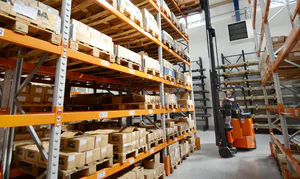
How to Set Up a Warehouse
How to Set Up Warehouse Racking
Setting up a warehouse is a challenging task, and there are many factors to consider and plan to achieve a successful outcome. Get it right and it will help your warehouse and business to maximise its productivity and efficiency but, get it wrong and you risk compromising the success of your storage operations. The wrong storage equipment in place, can affect the amount of stock you can store, the flow of goods, profitability, and most importantly, safety.Fortunately, serious incidents concerning warehouse racking systems are rare, but when they do happen, the consequences can be severe. The last thing your business needs is a HSE investigation discovering you have failed in due diligence. As the warehouse owner, you could face an investigation that potentially damages your reputation, leading to hefty fines, or, in the worst-case scenario, result in a prison sentence. This is without even mentioning the cost to those lives affected in an accident.With over 50 years of implementing and advising on best practices in the industry, at SEMA we like to believe that we know a thing or two about setting up your warehouse to meet the highest quality standards.

Your storage equipment should meet the following stages:
Stage 1: Know Your Space
Most warehouse spaces, when empty, are essentially large boxes. However, the potential of the space can be maximised through the clever design of your racking. Is the system modular, to enable you to efficiently fill the space and optimise storage capacity? Has your design considered how you can fill the entire width, length and height of the space? Can the design of your storage equipment accommodate future growth? Will the racking support load capacity? Preparing ahead not only can keep costs down in the future but can help you choose the right warehouse pallet racking system.Stage 2: Throughput
How many pallets or products will pass through the warehouse? Although this may be hard to estimate at such an early stage, it is a necessary factor to consider when choosing your storage equipment. How will your pallets move from A to B? Planning the journey of your pallets within the warehouse layout is crucial for ensuring the smooth and efficient flow of your stock. This planning helps you determine the optimal locations for your picking and packing departments and the best places to install the storage systems.Stage 3: Understand Your Products
Understanding the type, weight, and shape of your products is crucial in determining the right storage system for your warehouse. After all, what’s the point of investing in a racking system that doesn’t fit or store your products properly or meets storage capacity? The choice of the warehouse racking system you pick should be ideally suited for the size and weight of your stock. The design of the warehouse pallet racking should then incorporate the stock profile to ensure everyone can handle the goods safely and efficiently.Stage 4: How Are the Goods Handled and Accessed?
To remain profitable, it is important to ensure orders get out the door as quickly as possible. The design should consider requirements for any equipment used to transport or lift products. The aisle width and the right level of floor area should be adequate to allow easy passage of materials through the warehouse with minimal damage to racking system.Stage 5: What Are the Credentials of Your Racking Supplier?
In a busy market, knowing which supplier will meet all expectations can be difficult to gauge. Of course, you can use recommendations, but this may not necessarily mean the supplier upholds safety and quality standards. Ideally, you want to work with manufacturers and suppliers who have been checked on the quality of their work. SEMA Manufacturing, Associate, Approved and Approved-Advanced Members are all regularly and independently assessed to ensure they are working to industry standards.Stage 6: Meet Industry Design Codes
Is the supplier designing to industry storage requirements? Design codes are specialist, but the purpose is simple, to make sure you have confidence the rack will meet its intended purpose. The codes provide guidance on how to do the Structural Analysis, the load capacity you must consider, how to test components, and what factors of safety standards you require. Within the UK, quality assurance comes when your racking is designed to either SEMA Code or the European Code EN 15512.Stage 7: Installation
To meet Health and Safety standards and requirements set out by the HSE in HSG76: Warehousing and Storage – A Guide to Health and Safety, they recommend that ‘racking solution should only be installed by competent people in accordance with the manufacturer's instructions’. When you consider that it only takes an incorrect floor fixing, levelling plates or cross bracing for the installation to affect the integrity of the system, the need for a qualified person to install your racking system becomes crucial. To provide a benchmark for the industry, SEMA established the SEIRS training programme for racking installers. The training course instructs on correct installation methods and a SEIRS card is only issued once they have passed a practical assessment. To provide a benchmark for the industry, SEMA established the SEIRS training programme for racking installers. The training course instructs on correct installation methods and a SEIRS card is only issued once they have passed a practical assessment.
Stage 8: Safe Working Practices
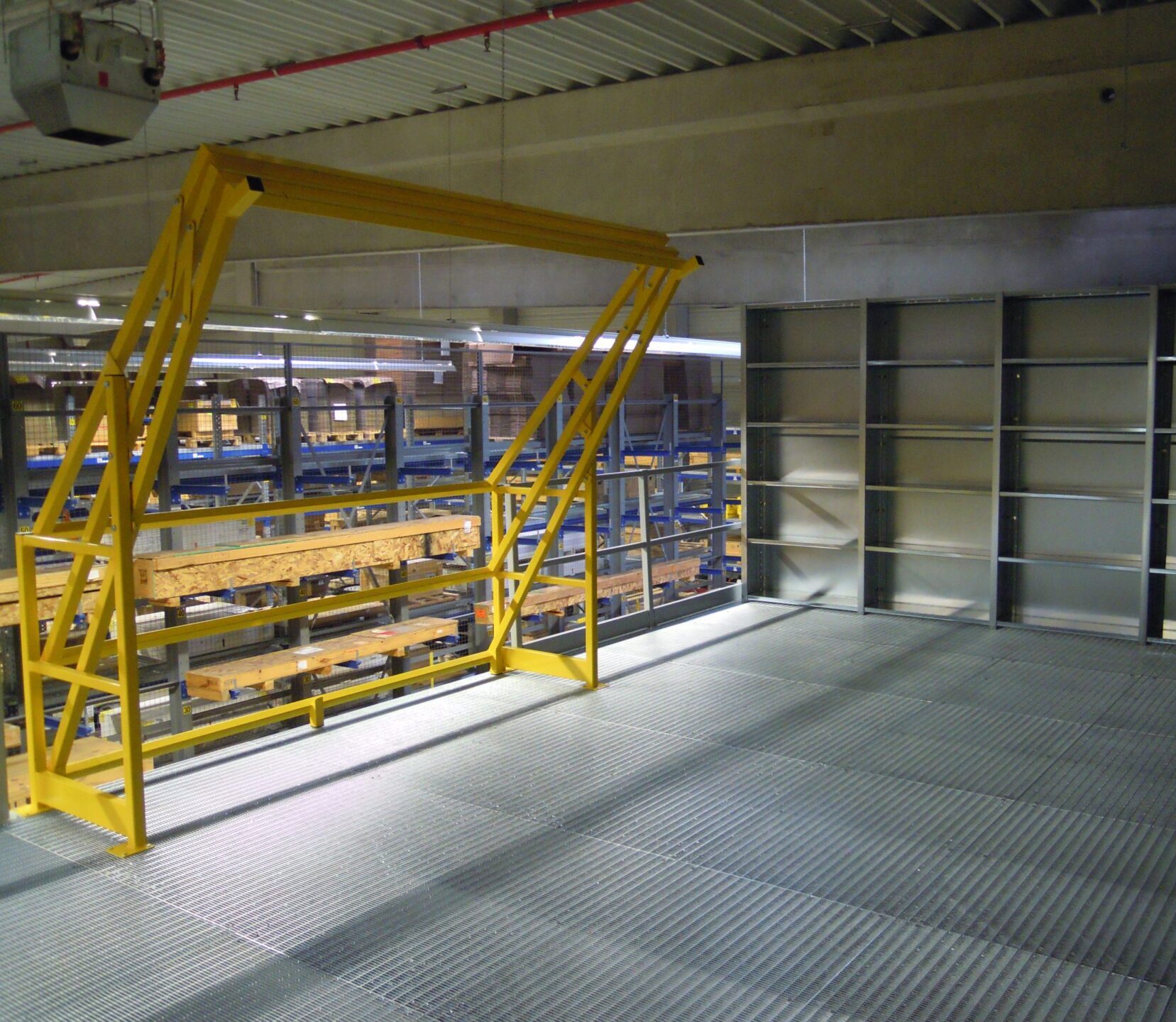
You can only keep your employees safe in the workplace if they have the knowledge and skills to work safely in areas with racking. By doing so, they will recognise if the racking is damaged and understand how to report any issues. Our Rack Safety Awareness course will guide delegates through different examples of warehouse racking damage and correct reporting procedures. Reducing damage on your pallet racking will ensure the structure meets its intended lifespan and reduce ongoing repair costs.Stage 9: Inspection
Under Health and Safety regulations, your racking solution should be regularly inspected to ensure it continues to be serviceable and safe. SEMA’s Rack Safety Awareness course will ensure a nominated member of your team has the tools to conduct weekly inspections in accordance with SEMA guidelines. At least once a year, an Expert Inspection should be undertaken by a suitably qualified person. Our SEMA Approved Rack Inspectors are qualified professionals who have been trained and assessed in conducting inspections, which provide a detailed report on damage levels and a timeframe of repair work.Looking for advice on how to set up warehouse racking?
If you need help with your storage rack systems you can always get advice from SEMA. We have been the leading voice on storage equipment best practice and safety standards for over 55 years.For racking safety guidelines take a look at the HSE document HSG76: Warehousing and Storage – A Guide to Health and Safety which offers guidance on the correct design, installation and maintenance of storage equipment. HSG76 also references the work of SEMA.If you're looking to buy new racking for your warehouse, speak to a SEMA Approved Member. They supply a wide range of solutions including wide and high racking, push back rack, pallet flow rack, cantilever racking and industrial shelving systems.For you, as a warehouse owner, director or manager, you get the reassurance when working with an Approved Member. A manufacturer or supplier of racking cannot pay to join, they must earn their credentials. We independently audit each member to ensure they meet our high quality and safety standards.KNOWLEDGE HUB
Looking for guidance on your storage equipment? Head over to our Knowledge Hub where we provide an insight into warehouse systems, industry requirements, best practice measures and how to improve safety standards.