


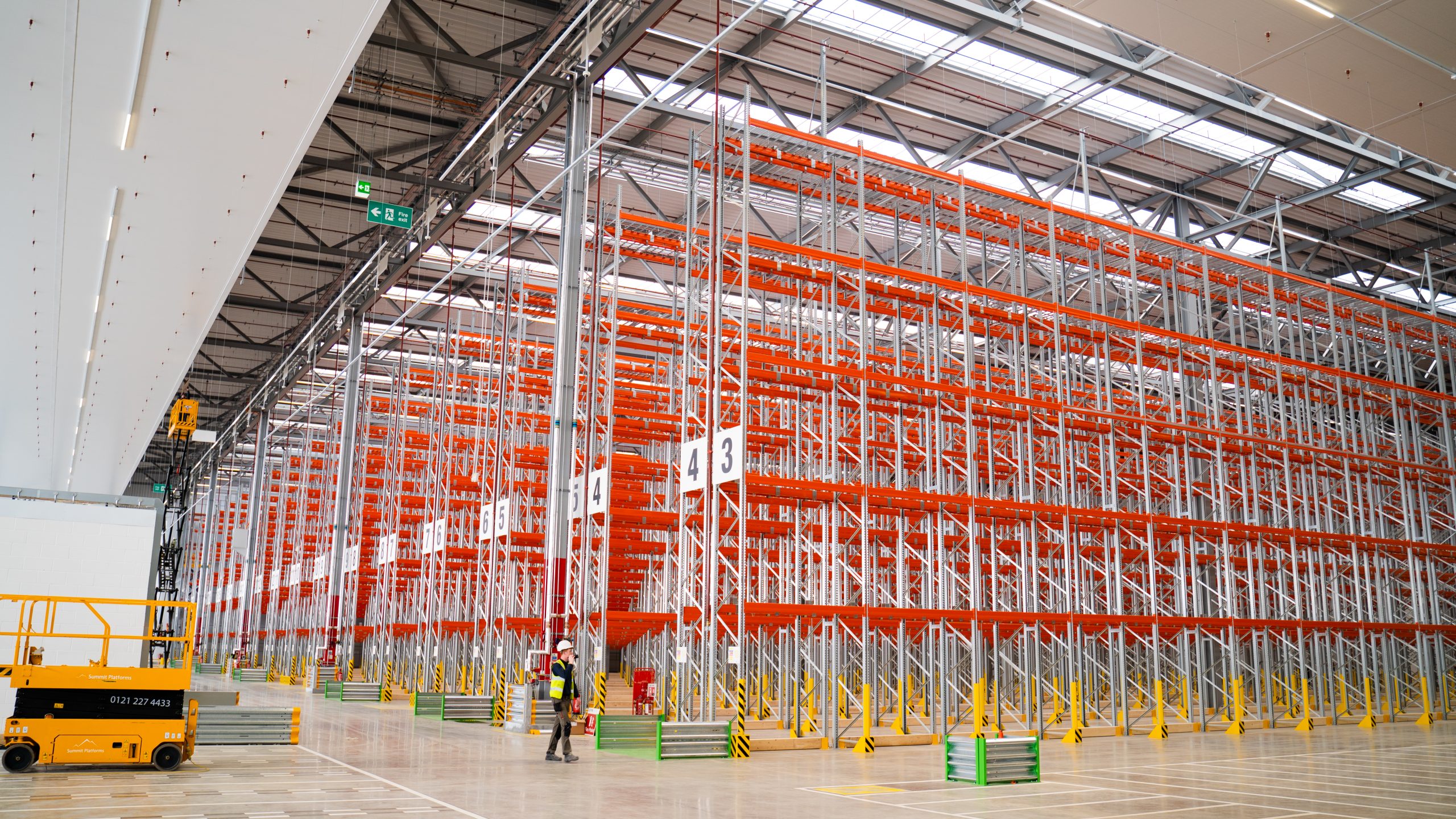
Maximise Warehouse Space with Racking

Within the warehouse industry, space at the moment can feel like the holy grail. Jaap Vos, President of the Storage Equipment Manufacturer’s Association (SEMA) discusses how you can maximise your racking to provide more storage.
One major effect of the pandemic was a dramatic change to buying patterns as demand for online shopping rose significantly. Hopefully the worst has now passed but the trend for e-commerce remains strong with retailers responding by amending their business models.
This has driven demand for additional warehouse space. A recent report by Orderwise showed the full extent of the problem with some areas like Slough having only 0.34 sq. ft of available warehouse space per registered business.
If you’re unable to find warehousing in the right area and at an affordable price, there are solutions. Most of these can we deliver through the backbone of your warehouse – your choice of storage equipment.
Redesigning the Space
The task to maximise your space can seem simplistic, fill your warehouse with as much storage equipment as possible. However, this approach, whether you’re starting from scratch or utilising existing racking, can waste opportunities.
You need to work with experienced designers, such as one of our SEMA Approved Manufacturing - Full Members, SEMA Approved Members or SEMA Approved Members - Advanced who have the technical knowledge and expertise to maximise warehouse space. They can design a solution to increase storage capacity by optimising wasted space. Options include reducing aisle widths, doubling the racking depth, increasing the height of your storage, or even adding additional space with mezzanine flooring.
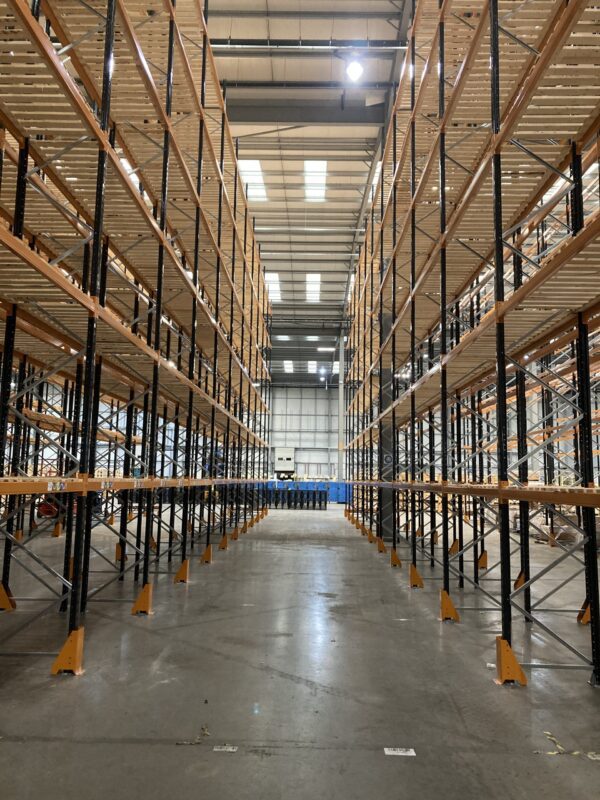
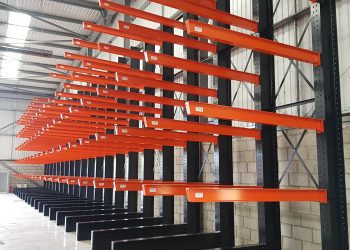
Adding Storage Equipment
One big advantage of dovetailing equipment into your existing system is that it can be significantly cheaper than moving to a larger warehouse. However, this approach requires a significant level of technical knowledge, and your supplier must work to industry standards and manufacturer’s specification. Failing to do so could impact heavily on the structural integrity and safety of your equipment and potentially result in expensive remedial costs.
Look for a supplier who has a support structure like our SEMA Members. For example, SDCs work alongside our Manufacturing Members and this relationship allows them privileged access to their technical departments. When they create a new design, they can assure you it will be compatible with existing equipment and designed to meet new weight requirements and clearance.
Members also work to SEMA Design Codes or the European Code EN 15512, both are industry acceptable standards which instructs on the structural analysis of racking, what types of loads we should consider, how to test components and what factors of safety you require when designing equipment.
Don't Invalidate Your Warranty
When adding to your equipment consider whether it will affect your manufacturer’s warranty. When you buy a structure manufactured by a SEMA Member, it provides reassurance that an engineer has designed it to meet SEMA codes and independently tested. Any unauthorised work that alters this original state could render the warranty null and void - the same also applies if you need any repair work conducting.
Through the supportive structure of SEMA, SEMA Approved Members and SEMA Approved Members - Advanced are qualified to conduct work on the manufacturer’s behalf. We audit both groups regularly to provide reassurances that their work is in accordance with the highest industry and safety standards using SEIRS trained installers.


