


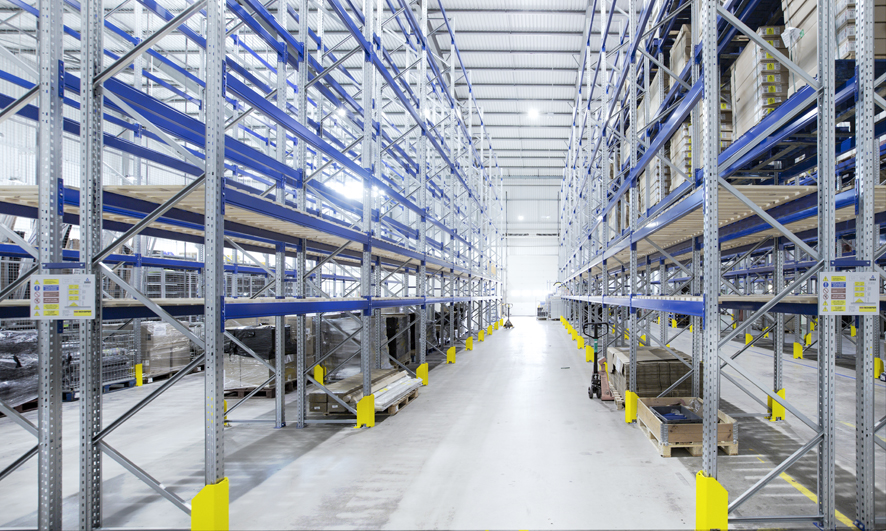
Maintenance For Your Racking!

Keeping your storage equipment in good working is essential for creating a safe environment, meeting your legal obligations and your business running efficiently. Racking maintenance should never be taken for granted. After all your racking may appear only as a simple steel frame but in reality it is providing a crucial job to potentially hold tonnes of material safely above the heads of your employees. Suddenly the need to ensure it is working correctly becomes ever more important.
It is inevitable that your racking systems will be subjected daily to knocks, bumps, wear and tear and adopting an appropriate maintenance regime is key.
Lifelong Racking Maintenance
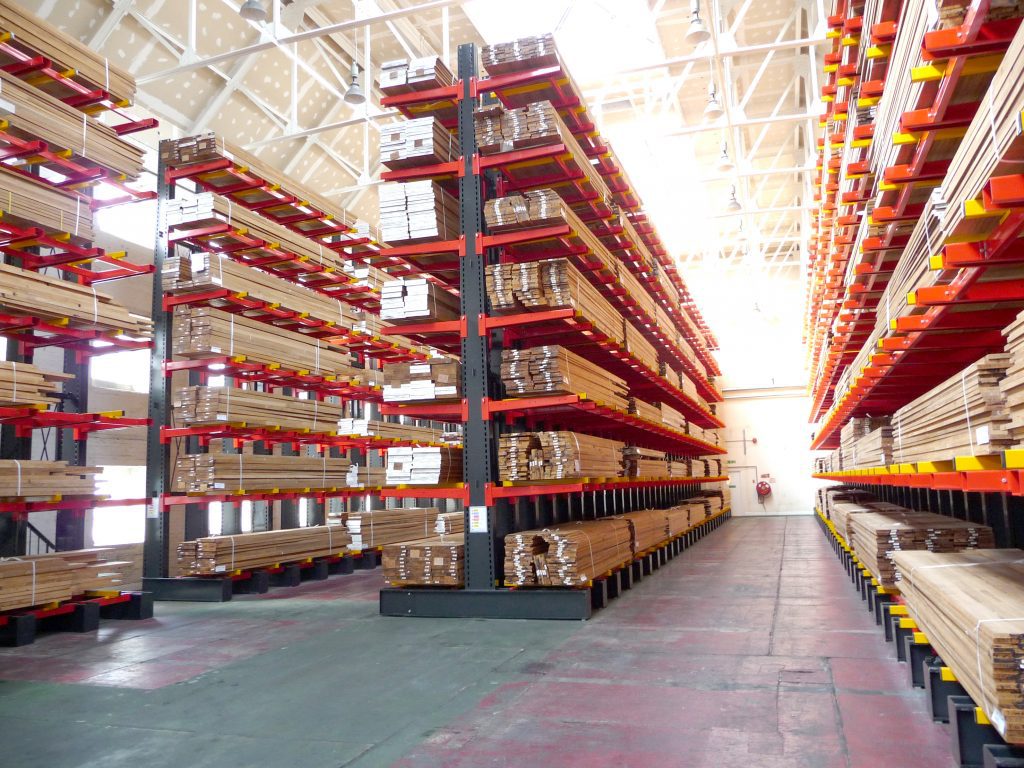
Correct maintenance of your racking must go back to the basics. The first form of protection is to have a racking system that has been designed to meet its intended purpose the space it will occupy, provide correct clearances and carrying capacity.
SEMA is formed by membership groups and initiatives that cover the entire supply chain. Each one has a clearly defined role in shaping best practice and safe working practices, from manufacturing to design and supply, installation and finally inspection all in line with SEMA Codes and Standards.
Legal Responsibilities
Once in place, your storage equipment is classed as work equipment. Unfortunately, too many businesses are totally unaware that it is a legal requirement to assess and maintain your racking in accordance with PUWER (Provisions and Use of Work Equipment Regulations 1998).
If the HSE comes calling and you are found to be in breach of the Health and Safety at Work Act then the consequences could be severe including custodial sentences. That doesn’t even start to consider the impact if an employee gets seriously hurt.
Racking Maintenance Programme
So, what do you need to implement to create a safe environment for your employees and your business?
Staff need to be ‘safety aware' and encouraged to report any problems immediately. After all, even the slightest damage can pose a high safety risk. This should be supported by regular inspections undertaken by a nominated member of staff who will ensure correct use is being followed, check for any missing or damaged components and that load notice guidance is being followed.
It is a good idea to invest in training for all members of staff within the warehouse. SEMA’s Rack Safety Awareness course covers the requirements for in-house rack inspections as well as the safe operation of a racking system, explanations on load notices, and examples of damage categorisation and preventions.
Expert Inspections
You must also submit your racking to an ‘expert’ inspection undertaken by a ‘technically competent person’.
To provide a clear benchmark for the industry SEMA operates a nationwide network of SEMA Approved Racking Inspectors (SARIs). Inspectors who undertake this professional qualification must successfully pass an intensive three-day training course, completion of both a written examination and practical assessment and commit to ongoing Continued Professional Development.
It is worth noting that there are two very different types of inspection available. A damage only inspection provides a list of damaged items and their location. Whereas the SARI inspection goes much further to include suitability and compatibility of the equipment, rack configuration and use of load notices.
Traffic Light Reporting
The SARI report will also classify any damage using a traffic light system to indicate actions required and over what timescale.
Red risk areas identify a high level of damage and racking should be immediately offloaded and put out of use. An Amber risk indicates where damage is sufficiently severe to warrant remedial work but does not require immediate offloading. Once the pallet positions in this area are emptied, they should not be refilled until the repairs are carried out. If repairs are not affected in four weeks, then an Amber risk item automatically becomes a Red risk item.
Green areas are those where damage falls within SEMA limits but is recorded for further consideration at the next inspection. Green does not mean the damage is acceptable and should not be ignored.
Repair
So, what happens if your inspection flags up that repair work is needed?
- Repairs involving welding are never recommended by SEMA.
- Damage to secondary members (non-structural). Only replace using the correct manufacturer’s part according to their specifications. Never assume the part being replaced is the correct one!
- For damaged structural components check with your manufacturer if the work can be undertaken. Damaged areas of upright should be cut out and new areas spliced in. Any repair that involves bending the upright back in shape is not permitted - do not be convinced otherwise!
- Check your warranty! The supplier must provide a warranty to confirm the repairs are covered by the manufacturer. They should also meet the requirements of SEMA and are carried out by qualified operatives such as a SEIRS installers.
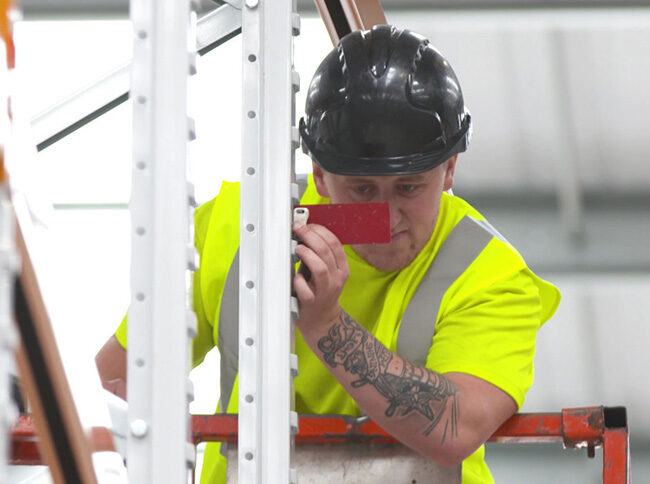
Racking Maintenance - Don’t Invalidate Your Warranty!
When you buy a structure manufactured by a SEMA Member, it provides reassurance that it has been independently tested. This guarantees the design is by a structural engineer to SEMA Codes and meets precise criteria under specified conditions. Any repairs using third party materials or unqualified installers could alter the original specification and verification of the product and render the warranty null and void.
SEMA Approved Members and SEMA Approved Members - Advanced work closely with our Manufacturing Members. Through these links they are qualified to conduct racking repairs. For any installation or repair work we recommend using a SEIRS installer. They have received training in not only the theory but also practical assessment on the correct installation methods. This is inline with SEMA guidance.
About SEMA
As the Storage Equipment Manufacturers Association (SEMA) we have been a leading voice within the warehouse industry for over 50 years. We work tirelessly to promote the safe design, manufacture, installation, and use of racking systems. Our work covers the lifetime of your storage. From safety and technical standards for all types of storage equipment to the collective expertise of our members. All of this is we support though our training, installation and inspection initiatives.
If you’d like to find out more about working with our members, please contact us.


