


SEMA Racking Design Code – what it means to the industry

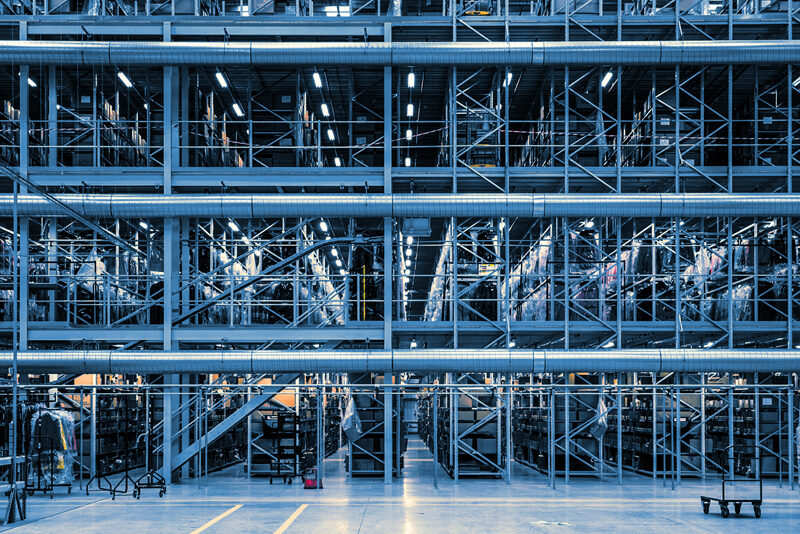
Your racking installation is a carefully designed engineering structure. Ideally you want it to fulfil a number of criteria; your structure should be suitable for the intended purpose, offer longevity and give you no cause for concern. The wish list is hardly a big ask, but as a fully loaded, highly stressed piece of engineering how do you make sure your racking fits the bill? That is where a pallet racking design code comes in.
Correct Racking Design
When planning your warehouse initially you determine the layout of your racking based on the throughput requirement of the warehouse. However, considerations must also consider the operational "need" of the end-user. Throughout the design process, we use codes to ensure that the racking works correctly with other equipment to fulfil the desired requirements.
Design codes are specialist, but the purpose is simple. Their job is to make sure we have a reasonable level of confidence the rack will meet its intended purpose. The codes provide guidance on how to do the structural analysis, the types of loads you must consider, how to test components and what factors of safety you require.
Within the UK, quality assurance comes when your racking's designed to either SEMA Code or the European Code EN 15512. The SEMA Design Codes are written to specifically reflect racking systems that are designed and maintained in the UK market. It is acceptable to buy or sell storage equipment that has been designed to either of these codes.

What is the SEMA Design Code?
SEMA has been advising the racking industry for over 50 years. We provide a source of reassurance with regard to the safe design, installation and use of storage equipment. We have developed a series of design codes that cover both static and other pallet racking types. The design codes work alongside our formal publications for both low and high-rise static steel shelving. Our codes also cover mobile racking, mobile shelving systems together with cantilever racking systems and the design and use of racking protection.
First published in 1980, the SEMA Design Code has a long history of providing racking with a high safety levels. Many warehouses in the UK will have at least some of their racking designed to this standard. In a response to changing technology and methodology, a 2008 review into the Design Code took into account new design procedures. The updates placed an emphasis on a risk-based method with safety factors addressing the different loads considered in the design. We issued the revised version in 2014.
Quality Assured
Unique to the UK market the SEMA Quality Assurance Scheme (QAS 2000) is an ongoing initiative. Commissioned by SEMA manufacturers, it requires Members to undertake third-party assessments. Undertaken by the University of Salford’s Directorate of Civil Engineering School of Computing, Science and Engineering carry out compliance checks to ensure that a manufacturer’s design calculations and product testing processes meet with acceptable codes.
Life Cycle of a Racking System
Of course, SEMA Design Codes are only the start of your racking journey. Safe storage follows a cyclical approach; safe manufacture offering full traceability of product, safe design, safe installation and a rigorous, structured approach to rack maintenance through inspection and repair. Our member groups comprise SEMA Approved Manufacturer - Full Member, SEMA Associated Member, SEMA Approved Member, SEMA Approved Member - Advanced, SEMA Approved Rack Inspectors and SEIRS registered and trained installers. We require all members to use SEIRS qualified labour for installation.
SEMA takes the lead on best safety practice. The work of our Technical Committee is well-renowned and we have seen many of our outputs adopted nationally, across Europe and the world over. The work of our Technical Committee is well renowned and we provide definitive technical guidance, Codes of Practice and other publications.
Find Out More About Design Code
If you would like more information about working with the SEMA Design Code get in touch by visiting our Contact Us page or email enquiry@sema.org.uk


